Small fibre neuropathy (SFN) is a condition that affects the small sensory nerve fibres responsible for detecting pain and temperature, and in some cases, controlling automatic (autonomic) functions such as heart rate, blood pressure, and sweating.
Unlike larger nerve fibre damage, small fibre neuropathy often causes pain and sensory disturbances without significant weakness. Symptoms can be widespread or localised, and often fluctuate in intensity.
Typical symptoms include:
Common causes include diabetes or prediabetes, autoimmune diseases, vitamin deficiencies, thyroid disorders, chemotherapy, genetic factors, and infections. However, in some patients, the cause remains unknown (idiopathic small fibre neuropathy). Because symptoms can be distressing yet standard nerve tests may appear normal, expert evaluation is crucial.

At Wessex Pain Clinic, diagnosis begins with a thorough history and examination, focusing on pain characteristics, associated medical conditions, and autonomic symptoms.
Since small fibre neuropathy may not show up on standard nerve conduction studies, diagnosis often requires:
Our consultants interpret results within a multidisciplinary context, ensuring that both the underlying cause and pain mechanisms are addressed.
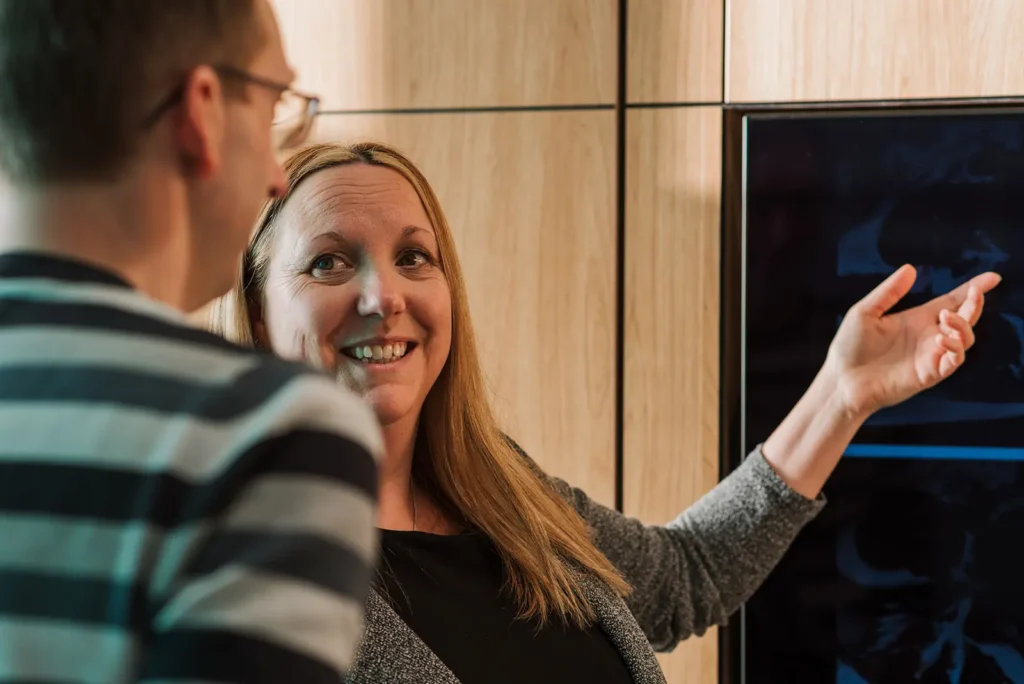
We believe effective management requires a holistic approach. Our physiotherapy and rehabilitation team helps maintain strength, balance, and confidence in movement, especially where pain or sensory loss affects mobility.
Hydrotherapy provides a low-impact way to stay active without aggravating symptoms.
Our pain psychology specialists help patients manage chronic pain, fatigue, and anxiety through pacing, relaxation, and cognitive behavioural strategies.
When appropriate, we liaise with neurologists, endocrinologists, and dietitians to address underlying causes and promote nerve health.
At Wessex Pain Clinic, we work as a team and meet regularly to discuss complex, treatment resistant or unusual cases. As such you will often receive the expertise of several pain consultants. We believe that we are one of very few pain clinics to offer this.
We may recommend:
All medication plans are reviewed regularly to optimise symptom control and minimise side effects.
Botox is a recognised treatment for peripheral neuropathy. It works at a nerve level to subdue overactive peripheral nerves. This is done in clinic with a very small needle, minimising discomfort. We also offer Qutenza Patches. These are high strength capsaicin patches that are only licensed for specialist use. They are applied to the area and can cause nerve die-back, reducing the areas sensitivity. They are an NHS approved and recognised treatment option for peripheral nerve pain. Wessex Pain clinic are one of very few clinics in the UK offering this privately.
In severe or treatment-resistant cases, we may consider nerve blocks, intravenous lidocaine infusions, or neuromodulation (spinal cord stimulation) to reduce abnormal nerve signalling and improve pain control.
Our approach is comprehensive and patient-focused, combining medical treatment, interventional therapies, and lifestyle support to manage symptoms and prevent progression.

 Connor Mitchell
Trustindex verifies that the original source of the review is Google.
Great experience all round with Dr Tom. Incredibly knowledgeable, meticulous, and considered in his approach. Came here for a long-term chronic issue and felt both the procedures and guidance he gave me were immensely helpful. Would certainly recommend for anyone in a similar predicament. :-) Sophie JonesAfter countless attempts to diagnose and help my headaches, Wessex Pain Clinic was truly my last hope. Dr Bloomfield worked out the problem from our first consultation, and my pain has significantly improved - nearly 100%. I am so thankful. Friendly, professional and efficient practice, would highly recommend.
 Andrew BroomeGreat care
 Jools ADr Eleanor Hyde
 Nickie HarkerWe had a wonderful experience with Dr Eleanor Hyde today. She was so empathetic and caring, she took time to listen and really understand my daughter’s situation. We went away with a really good plan for the way forward with ongoing support from Dr Hyde thank you
 Rob GoodA fantastic experience from start to finish. You're made to feel welcome and comfortable, and Dr Blomfield and his team were fantastic and made you feel at ease.
 C HatFive stars isn't enough for Dr. Hyde. After many months of pain, I finally found someone who listened, explained everything clearly, and created a treatment plan that worked. I felt cared for at every appointment - never rushed, never dismissed. My shoulder is now pain free. If you're suffering, don't wait, book in with Dr. Hyde. Truly excellent care from start to finish.
 Governance LodestarFollowing earlier pain procedures and surgery, I was referred to Dr Tom Bloomfield at the Wessex Pain Clinic by my previous consultant. The consultation process was efficient and welcoming with Dr Bloomfield listening to my concerns and recommending a follow-up denervation. The procedure took place at Medicana in Winchester about a month later. I felt looked after throughout and the staff at the clinic and hospital were all very friendly and put me at ease. The procedure was effective to the point where I don’t require anything further and my back will likely stay pain free for at least the next few years. After all the surgeries I’ve had over the last few years, a quick day procedure was a far more suitable alternative for me as I was up and active again within 24 hours. I’d highly recommend Wessex Pain Clinic to anyone requiring assistance with chronic pain.
 Nikki DenéeDr Hyde treated my shoulder before I went skiing. She was very professional and helpful and kind throughout the treatment. I would highly recommend her personal, friendly and caring approach. She really took the time to listen and put me completely at ease, and I came away feeling genuinely looked after. I can’t recommend her enough.
 Diana BlackerI could not recommend Dr Ellie Hyde more highly. After months of dead ends it was unbelievably refreshing to see a Consultant with such a positive and proactive approach. She was determined to find a solution to a family member’s chronic pain issues. Her treatment plan was (and continues to be) highly effective. Her bedside manner is superb, everything is properly explained and we always feel that she will give us all the time that is needed. The world needs more Dr Hydes!
Our friendly team is on hand to support you every step of the way. Please get in touch at any time.
We and our partners, including Google, use cookies and personal data to analyse traffic and for ads personalisation and measurement. You can accept, reject or choose which cookies to allow. Privacy Policy • Cookie Policy • Terms & Conditions • Google Privacy
We use cookies to help you navigate efficiently and perform certain functions. You can choose which categories to allow below. Cookies categorised as Necessary are always active.
We also use third-party cookies for analytics and advertising. These are only stored with your consent. You can update or withdraw consent at any time via the cookie icon at the bottom-left. This site operates under UK GDPR, the Data Protection Act 2018, and the Privacy and Electronic Communications Regulations (PECR). Cookie Policy • Privacy Policy
Necessary cookies are required for core site features including security, network management, and consent storage.
| Cookie | Duration | Description |
|---|---|---|
hmdg_cookie_consent | 180 days | Stores your cookie consent preferences. |
PHPSESSID | Session | WordPress session identifier. |
wordpress_logged_in_* | Session | WordPress login authentication. |
Functional cookies enable enhanced features such as live chat and remembering preferences.
| Cookie | Duration | Description |
|---|---|---|
wp-settings-* | 1 year | Stores user interface preferences. |
Analytics cookies help us understand visitor behaviour. Controls analytics_storage for Google Analytics 4.
| Cookie | Duration | Description |
|---|---|---|
_ga | 2 years | Google Analytics — distinguishes users. |
_ga_* | 2 years | Google Analytics 4 — session persistence. |
_gid | 24 hours | Google Analytics — distinguishes users. |
_gat | 1 minute | Google Analytics — throttles request rate. |
Performance cookies collect aggregate, anonymous data about site performance.
| Cookie | Duration | Description |
|---|---|---|
_gat_gtag_* | 1 minute | Google Tag Manager — rate throttle. |
Marketing cookies track visits to deliver relevant ads. Controls ad_storage, ad_user_data, and ad_personalization.
| Cookie | Duration | Description |
|---|---|---|
_gcl_au | 90 days | Google Ads — conversion tracking. |
_gcl_aw | 90 days | Google Ads — click attribution. |
_gac_* | 90 days | Google Ads — campaign information. |
IDE | 1 year | Google DoubleClick — ad targeting. |
Powered by HMDG • Cookie Policy
